














You carry it everywhere—the gym, office, even bedside. But what if your trusty water bottle is secretly poisoning you? Many popular water containers leach harmful chemicals, microplastics, and even heavy metals into your water.
This explosive report uncovers the shocking truth about toxic water bottles, which materials are safest, and how to protect yourself. Doctors and environmental scientists agree: your hydration habit could be harming your health.
Why Your Water Bottle Matters
The average person drinks 2-3 liters of water daily. If your container is toxic, you’re consuming:
- Hormone-disrupting chemicals (linked to infertility & cancer)
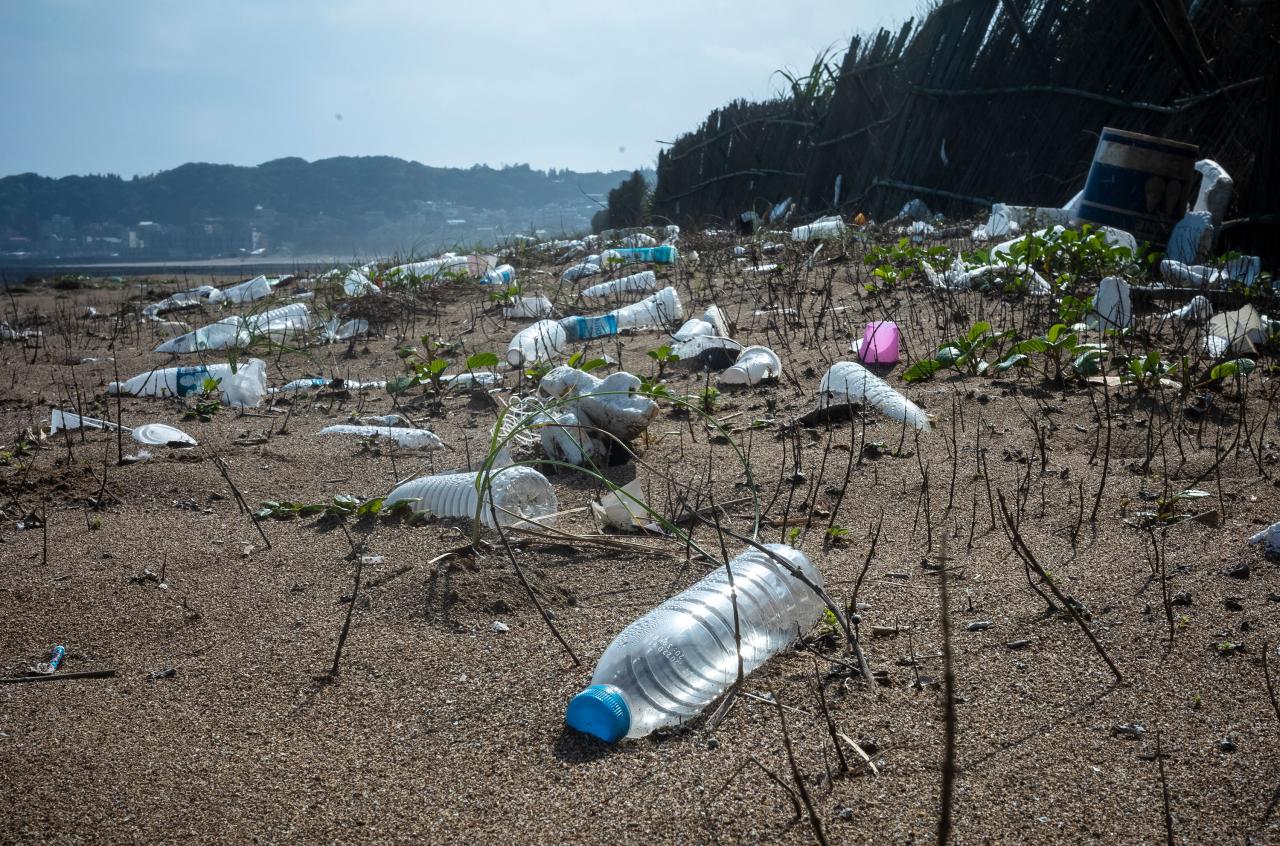
- Microplastics (found in 93% of bottled water)
- Heavy metals (like lead from cheap stainless steel)
Let’s break down the worst offenders—and the safest alternatives.
The 5 Most Toxic Water Bottle Materials
A. Plastic #7 (Polycarbonate – The BPA Bomb)
- Found in: Older Nalgene bottles, cheap reusable plastics.
- Dangers: Leaks bisphenol-A (BPA), a known endocrine disruptor.
- Studies show: Linked to breast cancer, ADHD, and early puberty.
B. Aluminum Bottles (With BPA-Lined Interior)
- Hidden risk: Most aluminum bottles have plastic linings.
- Heat effect: Hot liquids accelerate chemical leaching.
- Safer choice: Look for “BPA-free liner” or unlined aluminum.
C. Plastic #3 (PVC – The Poison Plastic)
- Used in: Cheap disposable bottles, some sports bottles.
- Toxins: Releases phthalates (linked to liver damage).
- Banned in: Many baby products (but still in adult bottles).
D. Stainless Steel (Low-Quality, Lead-Contaminated)
- Shocking truth: Some imported steel bottles test positive for lead.
- Red flag: Sweet/metallic taste in water.
- Solution: Buy FDA-approved, food-grade 18/8 stainless steel.
E. Disposable Plastic Bottles (#1 PET – Microplastic Factories)
- Harvard study: One liter of bottled water contains 240,000 plastic bits.
- Heat danger: Leaving bottles in cars multiplies leaching.
- Environmental cost: 1 million bottles sold every minute globally.
5 Safe Alternatives Backed by Science
A. Glass Bottles (100% Non-Toxic)
- Pros: No leaching, easy to clean, preserves taste.
- Best for: Home/office use (less portable).
- Pro tip: Choose borosilicate glass (heat-resistant).
B. High-Quality Stainless Steel (304 or 316 Grade)
- Look for: “18/8” or “304” stamp (medical-grade steel).
- Bonus: Keeps liquids cold/hot for hours.
- Top brands: Klean Kanteen, Hydro Flask.
C. Tritan Plastic (BPA-Free & Durable)
- Used by: CamelBak, Yeti in kid-safe bottles.
- Testing: Shows no estrogenic activity in labs.
- Downside: Still plastic (not forever chemical-free).
D. Copper Bottles (Ancient Detox Secret)
- Ayurvedic benefit: Naturally antimicrobial.
- Caution: Don’t store acidic liquids (lemon water = toxic).
- Best practice: Use for 6-8 hours max per fill.
E. Silicone Bottles (Collapsible & Safe)
- Ideal for: Travel, hiking (squeezable design).
- Key feature: Withstands -40°F to 400°F.
- Verify: Food-grade platinum-cured silicone.
Hidden Dangers Most People Miss
1. The Lid Problem (Even Safe Bottles Can Poison You)
- Plastic lids: Often made from #7 plastic (BPA risk).
- Mold trap: Rubber gaskets harbor bacteria.
- Fix: Switch to stainless steel/glass lids.
2. The “Hot Liquid” Mistake
- Never put boiling water in: Plastic, aluminum, or low-grade steel.
- Science says: Heat increases chemical transfer 55x.
3. The Dishwasher Disaster
- Plastic/Silicone: High heat degrades materials.
- Safe cleaning: Hand wash with baking soda + vinegar.
How to Detox from Plastic Exposure
If you’ve used toxic bottles for years:
A. Liver Support Foods
- Dandelion root tea – Flushes toxins.
- Cruciferous veggies – Broccoli sprouts boost detox enzymes.
B. Heavy Metal Chelators
- Cilantro – Binds to lead/mercury.
- Chlorella – Proven to remove microplastics in studies.
C. Hormone Reset Protocol
- Avoid plastics for 30 days – See if symptoms (acne, fatigue) improve.
- Estrogen-balancing herbs – Maca, vitex berry.
The Future of Water Bottles
Innovations to watch:
- Plant-based bottles (100% biodegradable algae packaging).
- Self-cleaning UV bottles – Kills 99.9% bacteria.
- Smart bottles – Tracks hydration + alerts for refills.
Final Warning & Action Steps
1. Audit your bottles TODAY:
- Check recycling symbols (#1, #2, #4 = safest plastics).
- Smell/taste test (metallic = bad).
2. Replace the worst offenders:
- Prioritize glass/stainless steel.
3. Spread awareness:
- Share this article (many have no idea).