















Intermittent fasting (IF) has emerged as one of the most popular health trends in recent years, promising benefits ranging from weight loss to improved longevity. But what does science really say about this eating pattern? This comprehensive guide explores the truth behind intermittent fasting, examining its potential benefits, risks, and practical implementation strategies to help you determine if it’s right for your lifestyle.

A. Understanding Intermittent Fasting
Intermittent fasting isn’t a diet but rather an eating pattern that cycles between periods of fasting and eating.
A. Common IF Methods:
-
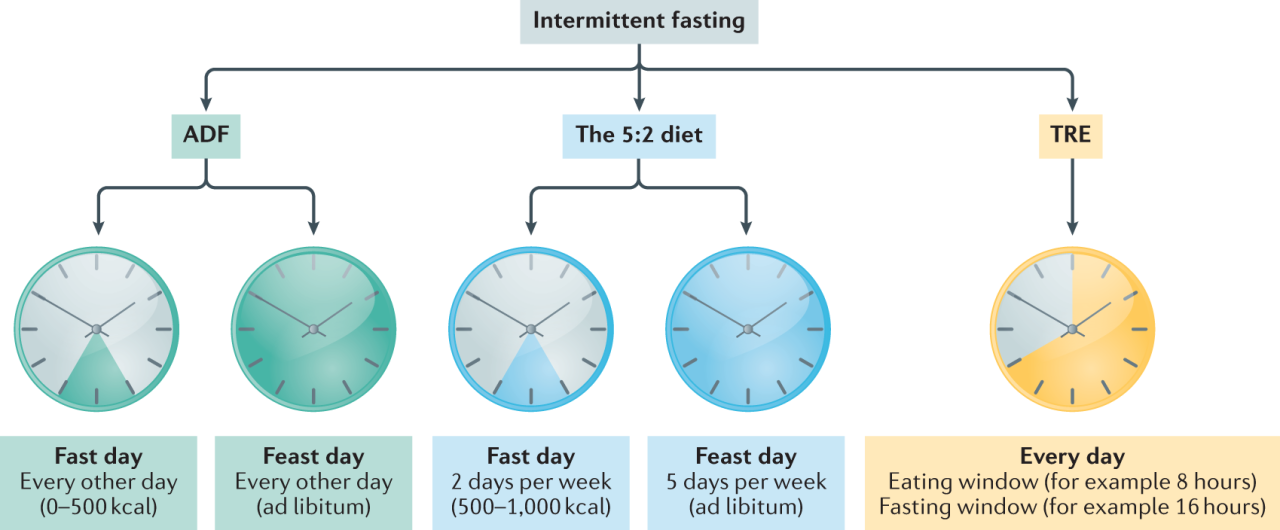
16/8 Method: Fast for 16 hours daily, eat within an 8-hour window
-
5:2 Approach: Eat normally for 5 days, restrict calories (500-600) for 2 non-consecutive days
-
Eat-Stop-Eat: 24-hour fast once or twice weekly
-
Alternate-Day Fasting: Fast every other day
B. How IF Affects Your Body:
-
Triggers cellular repair processes (autophagy)
-
Lowers insulin levels and increases fat burning
-
Changes hormone function to facilitate weight loss
-
Reduces oxidative stress and inflammation
C. Historical Context:
-
Our ancestors evolved to function without constant food access
-
Many cultures have fasting traditions for health and spiritual reasons
-
Modern eating patterns (constant snacking) are evolutionarily novel
B. Proven Health Benefits of Intermittent Fasting
A. Weight Loss and Fat Reduction:
-
Naturally reduces calorie intake
-
Increases norepinephrine levels to boost metabolism
-
Particularly effective at reducing dangerous visceral fat
B. Improved Metabolic Health:
-
Lowers insulin resistance (up to 31% reduction)
-
Reduces blood sugar levels (3-6% decrease)
-
Decreases risk of type 2 diabetes
C. Heart Health Improvements:
-
Reduces LDL cholesterol and blood triglycerides
-
Lowers blood pressure and inflammatory markers
-
May decrease risk of cardiovascular disease
D. Brain Function Enhancement:
-
Increases BDNF (brain-derived neurotrophic factor)
-
May reduce risk of neurodegenerative diseases
-
Potentially improves memory and cognitive function
E. Cellular Repair and Longevity:
-
Activates autophagy (cellular cleanup process)
-
May extend lifespan in animal studies
-
Reduces oxidative damage and inflammation
C. Potential Risks and Side Effects
A. Common Short-Term Effects:
-
Hunger and cravings (especially when starting)
-
Headaches and dizziness (typically temporary)
-
Digestive issues (constipation or diarrhea)
-
Irritability and mood swings
B. Who Should Avoid IF:
-
Pregnant or breastfeeding women
-
Individuals with eating disorder history
-
Those with diabetes or blood sugar regulation issues
-
People with low BMI or nutritional deficiencies
C. Long-Term Considerations:
-
Potential for muscle loss if protein intake is inadequate
-
Possible negative impact on social eating experiences
-
Risk of developing unhealthy relationships with food
D. How to Start Intermittent Fasting Safely
A. Choosing the Right Method:
-
Beginners should start with 12-hour overnight fasts
-
Gradually increase fasting window as tolerated
-
Select a schedule that fits your lifestyle
B. What to Eat During Feeding Windows:
-
Prioritize nutrient-dense whole foods
-
Ensure adequate protein intake
-
Include healthy fats and fiber
-
Stay hydrated (water, herbal teas)
C. Managing Hunger and Energy Levels:
-
Stay busy to distract from hunger
-
Drink black coffee or tea (without sweeteners)
-
Use electrolyte supplements if needed
-
Listen to your body’s signals
D. Tracking Progress:
-
Monitor energy levels and mental clarity
-
Track body measurements beyond just weight
-
Note changes in hunger patterns
-
Adjust approach as needed

E. Common Myths and Misconceptions
A. “Fasting Slows Your Metabolism”:
-
Short-term fasting may actually boost metabolism
-
Only prolonged starvation reduces metabolic rate
-
IF preserves muscle better than calorie restriction
B. “Breakfast is the Most Important Meal”:
-
No evidence breakfast is essential for health
-
Meal timing is highly individual
-
Skipping breakfast may have benefits for some
C. “You’ll Lose Muscle Mass”:
-
Proper protein intake preserves muscle
-
Human growth hormone increases during fasting
-
Resistance training enhances muscle retention
D. “Fasting Means You Can Eat Anything”:
-
Food quality still matters significantly
-
Junk food undermines potential benefits
-
Nutrient timing can optimize results
F. Intermittent Fasting for Specific Goals
A. Weight Loss:
-
Combine with calorie tracking for best results
-
Time workouts during feeding windows
-
Be patient with fat loss progress
B. Muscle Gain:
-
Consider shorter fasting windows (14-16 hours)
-
Prioritize post-workout nutrition
-
Increase protein intake (1g per pound of body weight)
C. Longevity and Disease Prevention:
-
Longer fasting periods may offer more benefits
-
Focus on antioxidant-rich foods
-
Combine with other healthy lifestyle factors
D. Mental Performance:
-
Many report improved focus during fasts
-
Experiment with timing of cognitive work
-
Stay properly hydrated
G. Scientific Research and Limitations
A. Promising Studies:
-
2014 study showed 3-8% weight loss over 3-24 weeks
-
Research indicates improved insulin sensitivity
-
Potential benefits for cancer prevention
B. Current Limitations:
-
Most human studies are short-term
-
Limited data on long-term effects
-
Individual responses vary significantly
C. Areas Needing More Research:
-
Optimal fasting protocols
-
Effects on different populations
-
Combination with various diets

H. Practical Tips for Success
A. Staying Consistent:
-
Prepare meals in advance
-
Find an accountability partner
-
Use fasting apps for tracking
B. Overcoming Plateaus:
-
Adjust fasting windows
-
Re-evaluate food choices
-
Incorporate exercise variation
C. Social Situations:
-
Plan ahead for special occasions
-
Be flexible when needed
-
Don’t let fasting isolate you
Conclusion
Intermittent fasting offers numerous potential health benefits when implemented properly, but it’s not a magic solution or appropriate for everyone. The key to success lies in finding an approach that fits your lifestyle while maintaining proper nutrition. As with any significant dietary change, consulting with a healthcare professional is recommended, especially if you have existing health conditions. By understanding both the science and practical application of intermittent fasting, you can make an informed decision about whether to incorporate this eating pattern into your health regimen.
Tags: intermittent fasting, weight loss, autophagy, metabolic health, fasting benefits, fasting risks, time-restricted eating, fat loss, insulin sensitivity, longevity