













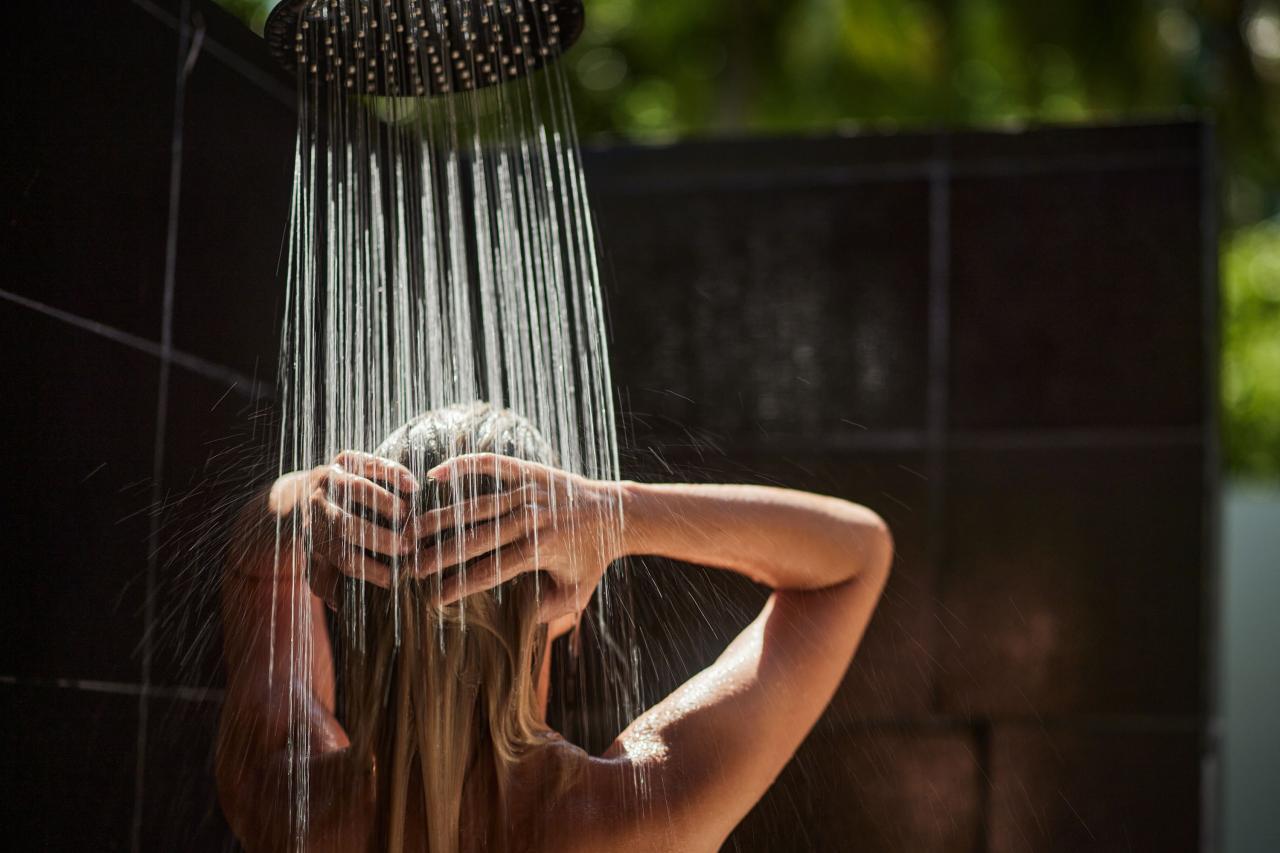

While the idea of cold showers might make you shiver, research reveals surprising health benefits that make them worth considering. From boosting immunity to enhancing mental resilience, cold water therapy has been practiced for centuries across various cultures. This comprehensive guide explores the science behind cold showers and how incorporating them into your routine can transform your physical and mental wellbeing.
A. The Science of Cold Water Therapy
Cold showers work by triggering the body’s natural adaptive responses:
1. Thermogenesis Activation
-
Cold exposure activates brown fat, which burns calories to generate heat
-
May support healthy metabolism and weight management
2. Circulatory System Response
-
Causes vasoconstriction followed by vasodilation (the “pump effect”)
-
Improves blood circulation and oxygen delivery
3. Nervous System Stimulation
-
Activates the sympathetic nervous system
-
Increases alertness and mental clarity
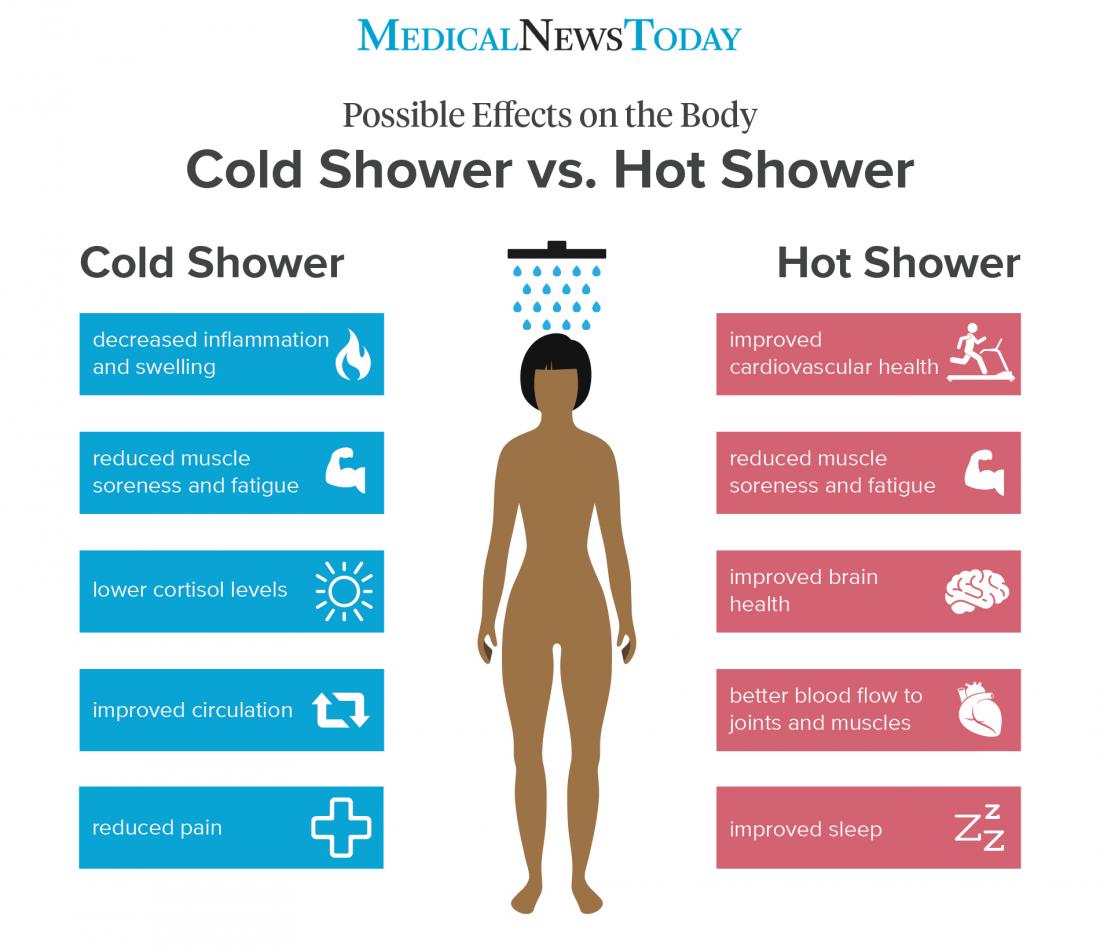
B. 7 Proven Benefits of Cold Showers
1. Enhanced Immune Function
-
Study shows 29% reduction in sick days (Netherlands research)
-
Increases white blood cell count
2. Improved Mental Resilience
-
Builds tolerance to stress through controlled discomfort
-
Releases mood-boosting neurotransmitters (noradrenaline, dopamine)
3. Faster Muscle Recovery
-
Reduces exercise-induced muscle inflammation
-
Popular among athletes for post-workout recovery
4. Skin and Hair Health
-
Tightens pores and cuticles
-
Reduces excess oil production
5. Increased Energy Levels
-
Triggers deep, involuntary breathing (hyperventilation response)
-
Provides natural energy boost without caffeine
6. Better Sleep Quality
-
Lowers core body temperature before bedtime
-
Enhances melatonin production
7. Potential Fat Loss Support
-
Activates brown adipose tissue
-
May increase metabolic rate temporarily
C. How to Start Cold Shower Therapy
1. Beginner’s Protocol
A. Start with warm water (2-3 minutes)
B. Gradually decrease temperature
C. End with 30 seconds of cold
D. Slowly increase cold exposure time
2. Advanced Techniques
-
Contrast therapy (alternating hot/cold)
-
Full cold showers (2-5 minutes)
-
Ice bath immersion (for athletes)
3. Optimal Timing
-
Morning: For energy and alertness
-
Post-workout: For muscle recovery
-
Evening: For relaxation (shorter exposure)
D. Safety Considerations and Precautions
1. Who Should Avoid Cold Showers?
-
People with heart conditions
-
Those with Raynaud’s syndrome
-
During illness or fever
2. Potential Side Effects
-
Initial shock response
-
Temporary numbness
-
Increased blood pressure
3. How to Minimize Discomfort
-
Focus on controlled breathing
-
Start with cool (not ice-cold) water
-
Gradually increase exposure time
E. Cold Showers vs. Other Cold Therapies
1. Ice Baths
-
More intense effect
-
Better for muscle recovery
-
Requires special equipment
2. Cryotherapy
-
Professional treatment
-
Extremely cold (-200°F) but dry
-
More expensive option
3. Winter Swimming
-
Natural alternative
-
Stronger community aspect
-
Seasonal limitation
F. Historical and Cultural Perspectives
1. Ancient Practices
-
Roman frigidariums
-
Nordic ice bathing traditions
-
Japanese misogi purification
2. Modern Adoption
-
Wim Hof Method popularity
-
Biohacking community embrace
-
Athletic recovery protocols
G. Frequently Asked Questions
1. How cold should the water be?
-
Ideal range: 50-60°F (10-15°C)
2. How long should a cold shower last?
-
Beginners: 30-60 seconds
-
Advanced: 2-5 minutes
3. Can I take cold showers every day?
-
Yes, with proper acclimatization
Conclusion
Cold showers offer an accessible form of cold therapy with numerous science-backed benefits. While challenging at first, regular practice can lead to improved immunity, mental toughness, and physical recovery. Start gradually and listen to your body to make this powerful practice a sustainable part of your wellness routine.
Tags: cold showers, cold therapy, health benefits, immune system, mental resilience, recovery, wellness, biohacking, Wim Hof, hydrotherapy