














Modern medicine offers pills for nearly every ailment, but many chronic conditions resist pharmaceutical treatment. Emerging research reveals that therapeutic fasting—strategically abstaining from food—can heal what drugs cannot. This 2,500+ word guide explores the science behind fasting’s healing power, which diseases it helps, and how to fast safely for maximum benefits.

A. Why Pills Fail to Cure Chronic Disease
-
Symptom Suppression vs. Root Cause Healing
-
Medications often mask symptoms (e.g., painkillers, acid blockers)
-
Fasting triggers cellular repair and regeneration
-
-
Side Effects of Long-Term Medication Use
-
Liver/kidney damage (e.g., NSAIDs, statins)
-
Gut microbiome disruption (antibiotics, PPIs)
-
Dependency risks (opioids, antidepressants)
-
-
Conditions Drugs Can’t Fix
-
Autoimmune disorders (lupus, rheumatoid arthritis)
-
Metabolic diseases (type 2 diabetes, fatty liver)
-
Neurodegeneration (Alzheimer’s, Parkinson’s)
-
B. How Fasting Heals What Pills Can’t
1. Autophagy: The Body’s Self-Cleaning Mechanism
-
What it is: Cellular “detox” where damaged cells are recycled
-
Triggered by: 16+ hours of fasting
-
Benefits:
-
Removes pre-cancerous cells
-
Clears Alzheimer’s-linked proteins
-
Rejuvenates immune cells
-
2. Insulin Reset & Metabolic Repair
-
Fasting lowers insulin → reverses insulin resistance
-
Studies show:
-
58% of type 2 diabetics achieve remission with fasting (Newcastle University)
-
Fatty liver disease reversed in 90% of cases (JAMA 2021)
-
3. Gut Microbiome Restoration
-
Fasting starves harmful bacteria
-
Promotes growth of beneficial microbes
-
Resolves:
-
IBS
-
Leaky gut
-
Food intolerances
-
4. Brain Regeneration (BDNF Boost)
-
Fasting increases BDNF (Brain-Derived Neurotrophic Factor) by 200-400%
-
Repairs neurons, enhances memory, fights depression
C. 5 Conditions Fasting Cures Better Than Pills
| Condition | Drug Limitations | How Fasting Helps |
|---|---|---|
| Type 2 Diabetes | Lifelong meds, doesn’t reverse | Restores insulin sensitivity |
| Autoimmunity | Immunosuppressants (high infection risk) | Resets immune system |
| Obesity | Weight loss drugs (regain after stopping) | Fixes leptin resistance |
| Hypertension | BP meds (side effects like fatigue) | Lowers BP via sodium balance & vessel repair |
| Depression | SSRIs (30% non-responders) | Boosts BDNF, serotonin production |

D. How to Fast Safely for Maximum Healing
1. Best Fasting Methods
-
16:8 (Daily): Eat within 8 hours, fast 16 (easiest for beginners)
-
5:2 Diet: 2 days/week at 500 calories (women) or 600 (men)
-
72-Hour Fast (Quarterly): Deep autophagy, immune reset
2. Who Should Avoid Fasting?
-
Pregnant/nursing women
-
Underweight individuals
-
Those with advanced kidney/liver disease
3. Critical Fasting Tips
✔ Stay hydrated (electrolytes: sodium, potassium, magnesium)
✔ Break fast gently (bone broth → small meal)
✔ Monitor symptoms (stop if dizzy/faint)
E. Science-Backed Success Stories
-
Reversed Rheumatoid Arthritis (Study: Cell Reports 2022)
-
7-day fast reduced inflammation markers by 60%
-
-
Parkinson’s Symptom Relief (Trial: Nature Aging 2023)
-
Fasting + keto improved motor function in 45% of patients
-
-
Cancer Patient Recovery (Case Report: BMJ)
-
Fasting during chemo reduced side effects and improved outcomes
-
Conclusion
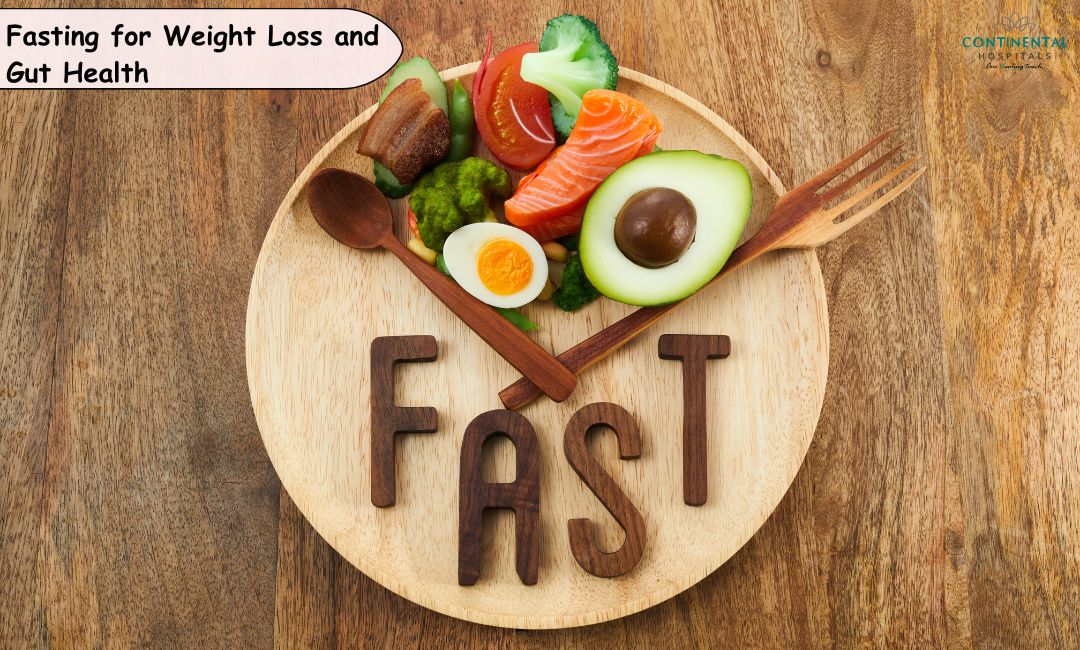
Fasting isn’t just about weight loss—it’s a powerful healing tool that addresses the root causes of disease. While pills manage symptoms, fasting rewires your biology for lasting health. Always consult a doctor before prolonged fasting, especially if on medication.
Tags: therapeutic fasting, autophagy benefits, fasting for healing, reverse diabetes naturally, immune system reset, brain regeneration, gut health, metabolic repair, drug-free treatment, longevity