











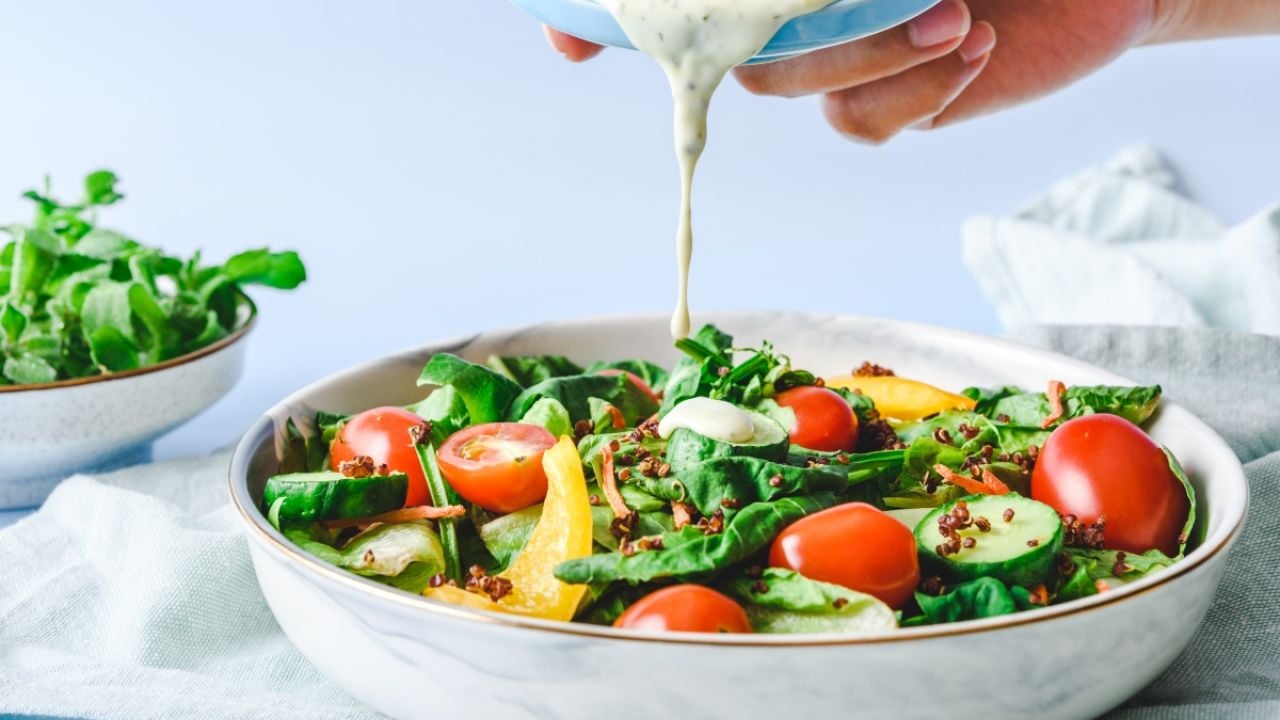

Salads have long been touted as the pinnacle of healthy eating, but shocking new research reveals they might be doing more harm than good. While we’ve been loading up on leafy greens and colorful veggies, we’ve overlooked several hidden dangers lurking in our salad bowls. This eye-opening investigation uncovers the surprising risks in your “healthy” salad, backed by scientific studies and expert opinions, and provides safer alternatives to keep your nutrition on track.
A. The Salad Paradox: Healthy Choice or Health Hazard?
- The Salad Health Halo Effect
- Psychological trap of assuming all salads are healthy
- How restaurants exploit this with calorie-dense “healthy” options
- Study: Some restaurant salads contain more fat than a cheeseburger
- Nutritional Imbalance in Typical Salads
- Lack of sufficient protein in most plant-based salads
- Blood sugar spikes from high-glycemic toppings
- The missing fat-soluble vitamin absorption problem
B. 5 Hidden Dangers in Your Salad Bowl
1. Pesticide Residue on Leafy Greens
- The Shocking Truth:
- EWG’s Dirty Dozen list consistently ranks lettuce/spinach as most contaminated
- 70% of non-organic lettuce samples contain concerning pesticide levels
- Health Risks:
- Endocrine disruption from common lettuce pesticides
- Increased cancer risk from long-term exposure
- Safer Solutions:
- Organic greens selection guide
- Effective vegetable washing techniques
2. Toxic Salad Dressings
- Common Offenders:
- Soybean/Canola oil-based dressings (inflammatory omega-6 overload)
- Hidden sugars in “fat-free” versions
- Preservatives like calcium disodium EDTA
- Healthier Alternatives:
- Homemade dressing recipes with olive oil
- Apple cider vinegar benefits
3. Foodborne Illness Risks
- Alarming Statistics:
- Leafy greens cause 46% of foodborne illnesses from produce
- Recent E. coli outbreaks linked to bagged salads
- Prevention Methods:
- Proper storage and handling techniques
- High-risk groups who should avoid raw greens
4. Anti-Nutrients in Raw Vegetables
- Problem Compounds:
- Oxalates in spinach (kidney stone risk)
- Goitrogens in kale (thyroid interference)
- Lectins in nightshade vegetables
- Preparation Solutions:
- Cooking methods to reduce anti-nutrients
- Rotation diet strategies
5. The Fiber Overload Problem
- Digestive Consequences:
- IBS triggers from excessive raw fiber
- Nutrient malabsorption issues
- Balanced Approach:
- Optimal fiber intake guidelines
- Cooked vs. raw vegetable benefits
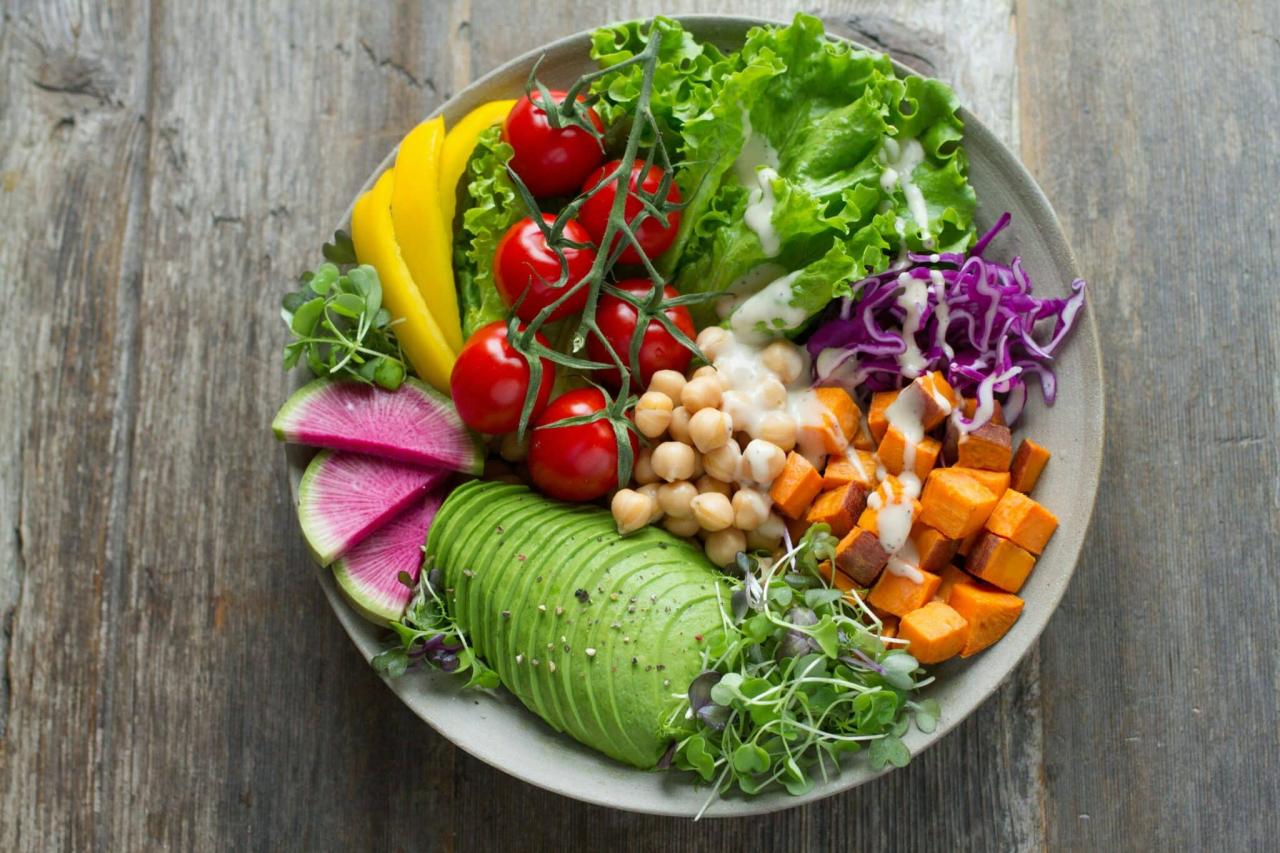
C. Restaurant Salad Traps to Avoid
- Calorie Bomb Salads
- Examples: Crispy chicken salads (1500+ calories)
- Cheese, crouton and dressing pitfalls
- Misleading Marketing Terms
- “Fresh” doesn’t mean pesticide-free
- “Garden” doesn’t guarantee vegetable variety
- Cross-Contamination Risks
- Gluten in restaurant salads
- Allergen exposure in prep areas
D. Building a Truly Healthy Salad
- The Perfect Protein Balance
- Animal vs. plant protein options
- Proper portion sizes
- Smart Fat Selection
- Avocado vs. cheese nutrition comparison
- Nut and seed benefits
- Low-Glycemic Carbohydrates
- Best vegetable choices for blood sugar control
- Fruit in salads: pros and cons
E. Special Considerations
- For Weight Loss Seekers
- Common salad mistakes that hinder fat loss
- Thermogenic food additions
- For Autoimmune Conditions
- Nightshade vegetable concerns
- Raw vs. cooked for inflammation
- For Gut Health
- Fermented vegetable additions
- Prebiotic ingredient ideas
F. The Future of Salad Safety
- Blockchain Food Tracking
- New technology for outbreak prevention
- Vertical Farming Advantages
- Reduced contamination potential
- Lab Testing Kits
- Home pesticide detection devices
Conclusion
While salads can be nutritional powerhouses, blind faith in their health benefits can backfire. By understanding these hidden dangers and making informed choices, you can transform your salad from a potential health risk to a genuinely nourishing meal. The key lies in selective ingredient choices, proper preparation methods, and balanced composition – turning your salad bowl into the true health booster it’s meant to be.
Tags: salad dangers, healthy eating, food safety, nutrition myths, pesticide exposure, foodborne illness, anti-nutrients, healthy recipes, meal planning, wellness