











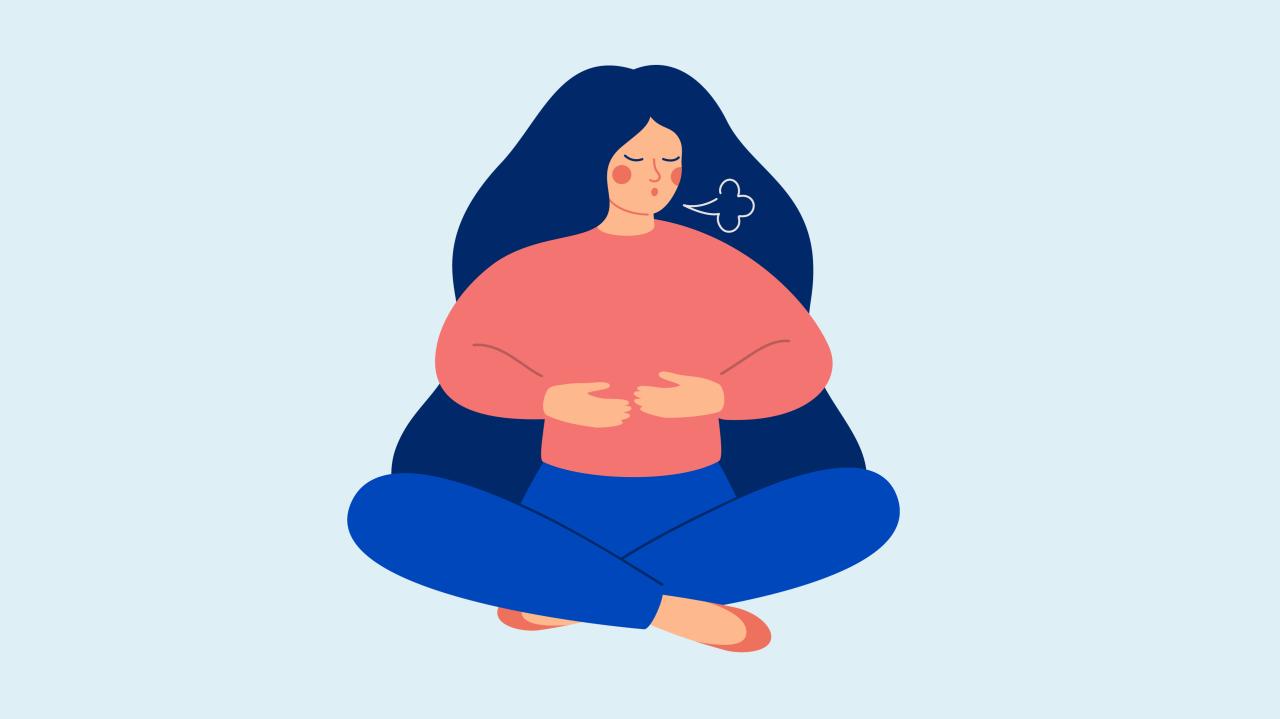

Anxiety affects millions worldwide, but simple breathing techniques can provide immediate relief. Unlike medications, these natural methods have no side effects and can be practiced anywhere. This comprehensive guide explores science-backed breathing exercises to calm your mind, lower stress hormones, and regain control during anxious moments. Whether you experience occasional worry or chronic anxiety, mastering these techniques can transform your mental wellbeing.
A. The Science Behind Breathing and Anxiety Relief
When anxiety strikes, your body enters “fight or flight” mode, triggering rapid breathing and increased heart rate. Controlled breathing activates the parasympathetic nervous system, signaling your body to relax. Research shows proper breathing can:
-
Lower cortisol levels by 30-50%
-
Reduce blood pressure
-
Improve oxygen flow to the brain
-
Deactivate stress responses
B. 7 Proven Breathing Techniques for Anxiety Attacks
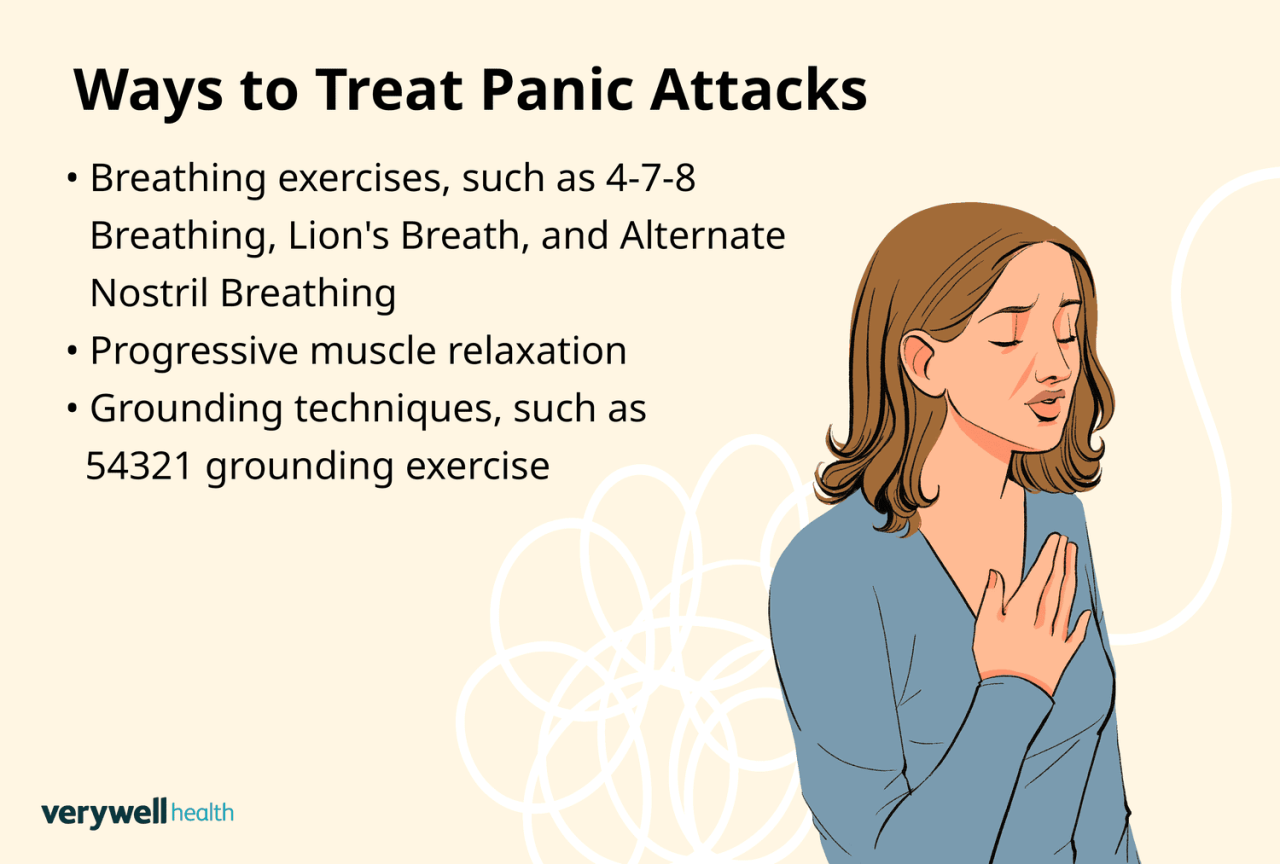
1. The 4-7-8 Method (Instant Calming)
Developed by Dr. Andrew Weil, this technique resets your breathing pattern:
A. Inhale quietly through your nose for 4 seconds
B. Hold breath for 7 seconds
C. Exhale completely through mouth for 8 seconds
D. Repeat 4 cycles
Best for: Panic attacks, bedtime anxiety
2. Box Breathing (Navy SEAL Approved)
Used by elite soldiers to maintain composure:
A. Inhale for 4 seconds
B. Hold for 4 seconds
C. Exhale for 4 seconds
D. Hold empty lungs for 4 seconds
E. Repeat 5-10 minutes
3. Diaphragmatic Breathing (Belly Breathing)
Engages the diaphragm for deeper relaxation:
A. Place hand on stomach
B. Inhale deeply through nose, feeling stomach rise
C. Exhale slowly through pursed lips
D. Continue for 5-10 minutes
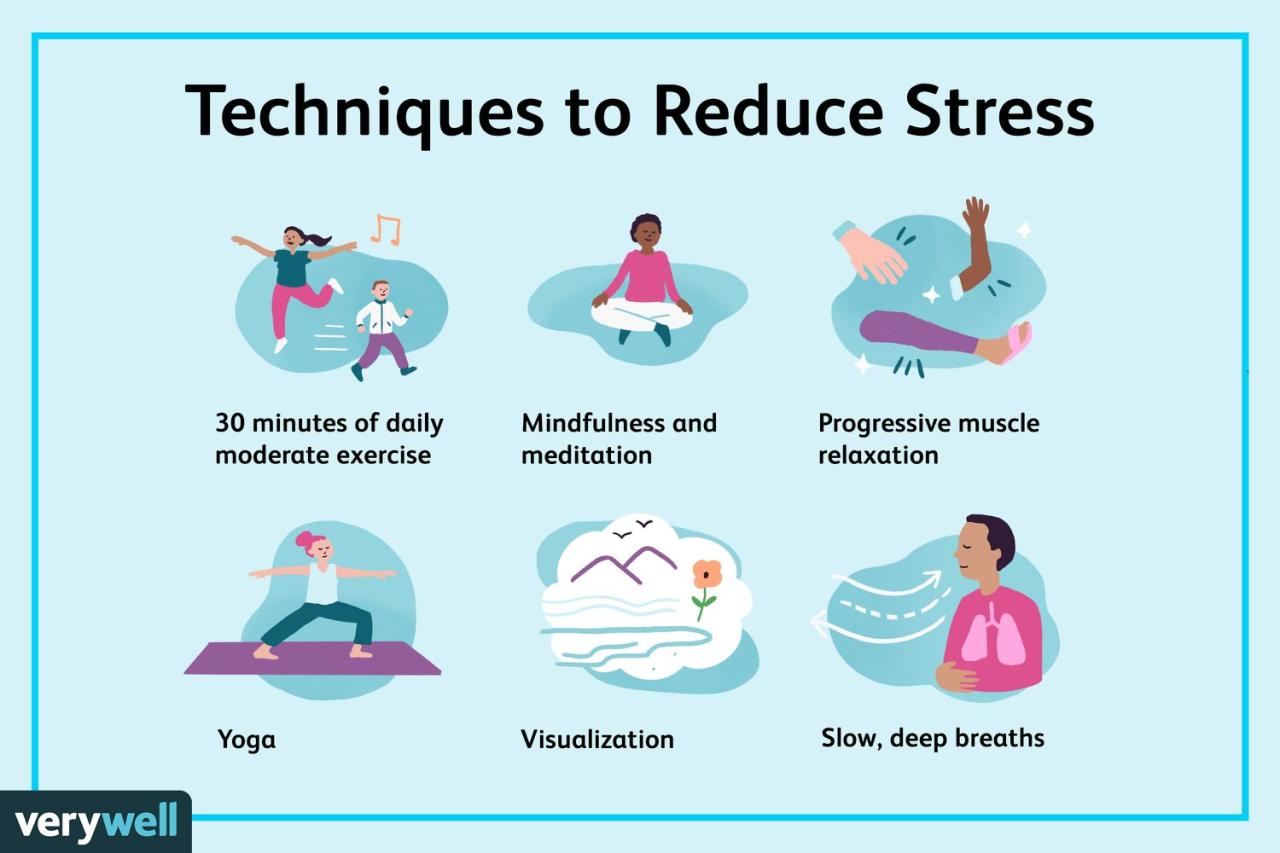
C. Advanced Techniques for Chronic Anxiety
1. Alternate Nostril Breathing (Nadi Shodhana)
An ancient yogic practice that balances both brain hemispheres:
A. Close right nostril with thumb
B. Inhale through left nostril
C. Close left nostril, open right
D. Exhale through right nostril
E. Repeat 10 cycles
2. Resonant Frequency Breathing
Optimizes heart rate variability:
A. Breathe at 5-6 breaths per minute
B. Maintain equal inhale/exhale duration
C. Use a breathing pacer app
D. When and How to Practice for Maximum Results
1. Ideal Practice Schedule
-
Morning: 5 minutes to start day calmly
-
Anxiety spikes: Immediate application
-
Before bed: 10 minutes for better sleep
2. Enhancing Effectiveness
-
Combine with mindfulness meditation
-
Use in nature for amplified benefits
-
Track progress with HRV monitor
E. Common Mistakes That Reduce Effectiveness
A. Breathing too quickly
B. Using chest instead of diaphragm
C. Practicing inconsistently
D. Expecting instant miracles
F. Scientific Backing: What Research Shows
-
Harvard study: Breathing reduces amygdala activity
-
Journal of Clinical Psychiatry: 73% anxiety reduction
-
NIH findings: Better than placebo for GAD
Conclusion
Mastering these breathing techniques creates a portable anxiety toolkit. With regular practice, you can rewire your stress response and gain lasting calm. Start with just 2 minutes daily and gradually increase. Your mind and body will thank you.
Tags: anxiety relief, breathing exercises, stress management, mental health, panic attacks, relaxation techniques, mindfulness, yoga breathing, natural remedies, emotional wellbeing