

















Silent inflammation is a low-grade, chronic inflammatory response that often goes unnoticed but can lead to serious health conditions over time. Unlike acute inflammation, which causes visible symptoms like redness and swelling, silent inflammation operates beneath the surface, contributing to diseases such as diabetes, heart disease, and Alzheimer’s. This comprehensive guide explores the causes, risks, and prevention strategies for silent inflammation, helping you take proactive steps toward better health.
A. Understanding Silent Inflammation
Silent inflammation is a persistent, low-level immune response that doesn’t produce immediate symptoms but gradually damages tissues and organs.
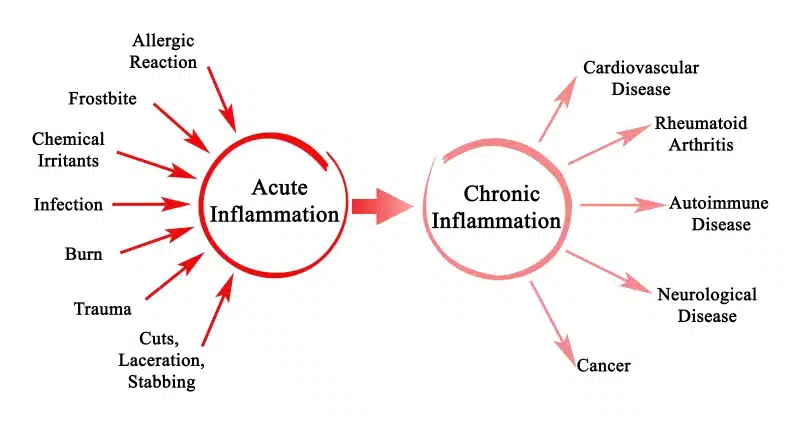
A. Difference Between Acute and Silent Inflammation
-
Acute Inflammation: Short-term, visible (e.g., swelling from an injury).
-
Silent Inflammation: Chronic, internal, and often undetected.
B. How It Develops
-
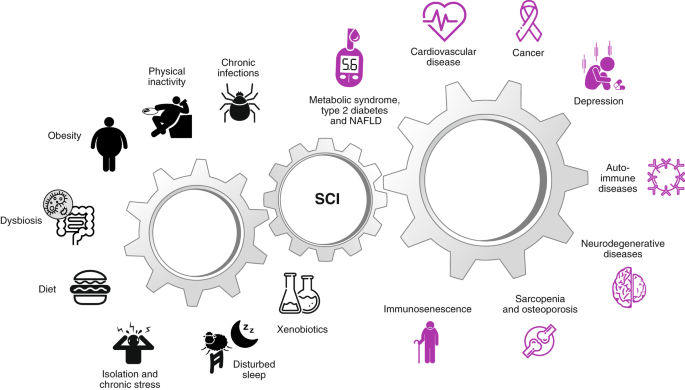
Poor diet (processed foods, excess sugar).
-
Sedentary lifestyle.
-
Chronic stress.
-
Environmental toxins.
C. Why It’s Dangerous
-
Linked to aging, obesity, and autoimmune disorders.
-
Increases risk of cancer and neurodegenerative diseases.
B. Common Causes of Silent Inflammation
Several lifestyle and environmental factors contribute to silent inflammation.
A. Unhealthy Diet
-
Refined sugars and trans fats.
-
Processed and fried foods.
-
Low fiber intake.
B. Lack of Physical Activity
-
Exercise reduces inflammatory markers.
-
Sedentary behavior promotes inflammation.
C. Chronic Stress
-
Cortisol imbalance triggers inflammation.
-
Poor sleep worsens inflammatory responses.
D. Environmental Toxins
-
Pollution, pesticides, and heavy metals.
-
Plastics (BPA) and chemical additives.
C. Health Risks Linked to Silent Inflammation
Silent inflammation is a hidden contributor to many chronic diseases.
A. Cardiovascular Disease
-
Promotes artery plaque buildup.
-
Increases risk of heart attacks and strokes.
B. Diabetes and Insulin Resistance
-
Interferes with glucose metabolism.
-
Leads to type 2 diabetes.
C. Neurodegenerative Disorders
-
Linked to Alzheimer’s and Parkinson’s.
-
Damages brain cells over time.
D. Autoimmune Conditions
-
Triggers overactive immune responses.
-
Worsens rheumatoid arthritis and lupus.
D. How to Detect Silent Inflammation
Since symptoms aren’t obvious, medical tests can help identify it.
A. Blood Tests
-
C-reactive protein (CRP): High levels indicate inflammation.
-
Homocysteine: Linked to heart disease.
-
Fasting insulin: Checks metabolic health.
B. Physical Signs
-
Persistent fatigue.
-
Joint stiffness.
-
Digestive issues (bloating, IBS).
C. Advanced Testing
-
Cytokine panels: Measures immune markers.
-
Omega-6 to Omega-3 ratio: Imbalance promotes inflammation.
E. Effective Ways to Reduce Silent Inflammation
Lifestyle changes can significantly lower inflammation levels.
A. Anti-Inflammatory Diet
-
Foods to Eat:
-
Fatty fish (salmon, sardines).
-
Leafy greens (spinach, kale).
-
Berries (blueberries, strawberries).
-
Nuts and seeds (walnuts, flaxseeds).
-
-
Foods to Avoid:
-
Refined sugars and white flour.
-
Processed meats.
-
Vegetable oils (soybean, corn oil).
-
B. Regular Exercise
-
Aerobic activities: Walking, swimming.
-
Strength training: Builds muscle, reduces fat.
-
Yoga and stretching: Lowers stress hormones.
C. Stress Management
-
Meditation and deep breathing.
-
Adequate sleep (7-9 hours per night).
-
Social connections and hobbies.
D. Supplements That Help
-
Omega-3 fatty acids: Reduces CRP levels.
-
Curcumin (turmeric): Powerful anti-inflammatory.
-
Probiotics: Supports gut health.
F. Long-Term Prevention Strategies
Preventing silent inflammation requires consistent healthy habits.
A. Maintain a Healthy Weight
-
Excess fat tissue produces inflammatory chemicals.
B. Avoid Smoking and Excessive Alcohol
-
Both increase oxidative stress.
C. Stay Hydrated
-
Water helps flush out toxins.
D. Regular Health Checkups
-
Monitor blood pressure, cholesterol, and glucose.
G. Conclusion
Silent inflammation is a hidden threat that can lead to severe health problems if left unchecked. By adopting an anti-inflammatory diet, staying active, managing stress, and getting regular checkups, you can reduce your risk and improve long-term well-being. Early detection and lifestyle adjustments are key to preventing chronic diseases linked to inflammation.
Tags: silent inflammation, chronic inflammation, anti-inflammatory diet, CRP test, omega-3, heart disease, diabetes prevention, stress management, autoimmune disorders, healthy lifestyle