














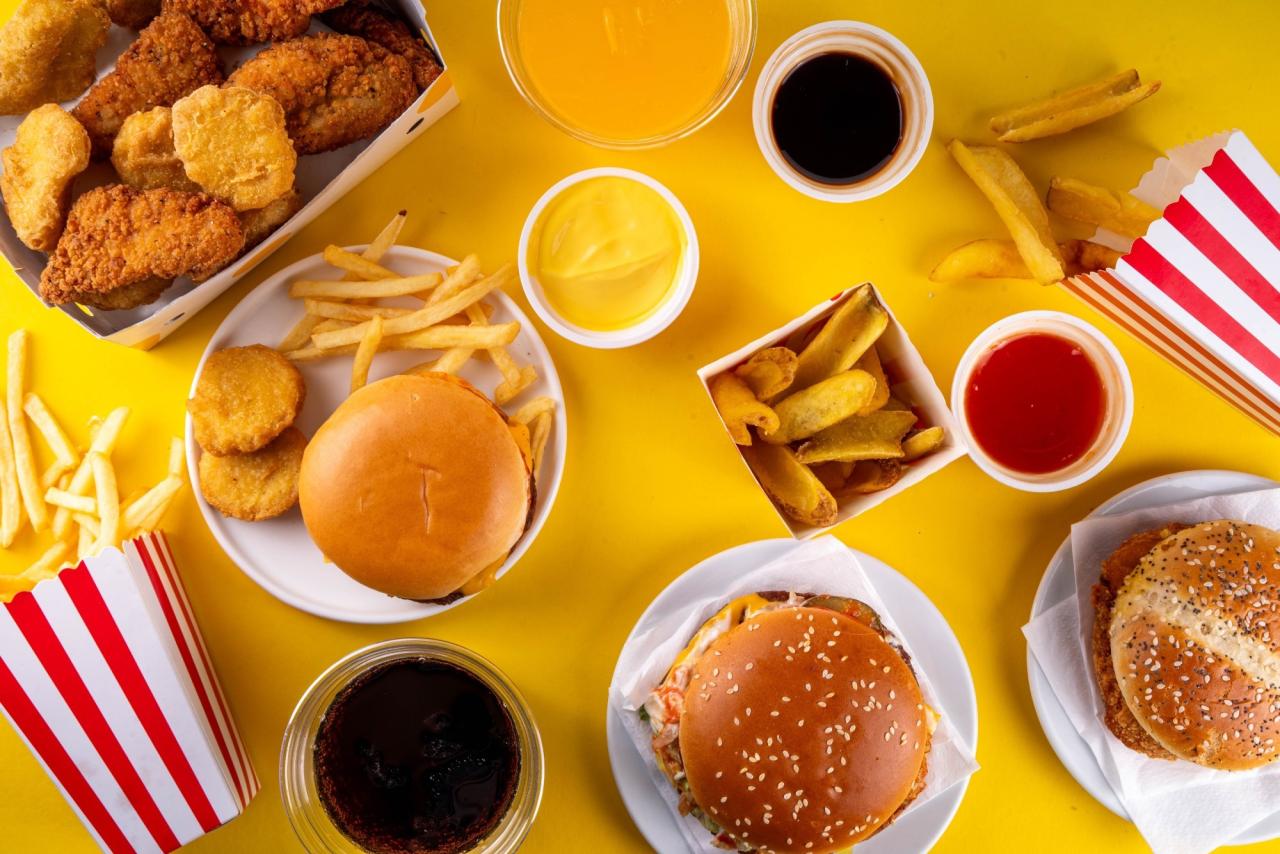

Ultra-processed foods have stealthily infiltrated our diets, masquerading as convenient meal solutions while posing serious health risks. These industrial formulations, packed with additives and stripped of nutrients, now account for over 60% of calories consumed in developed nations. This comprehensive investigation reveals the alarming truth about how these food-like substances are sabotaging our health, why they’re so addictive, and practical strategies to break free from their grip.
A. Defining Ultra-Processed Foods
A. NOVA Classification System:
-
Group 1: Unprocessed/minimally processed foods (fruits, vegetables, eggs)
-
Group 2: Processed culinary ingredients (oils, butter, salt)
-
Group 3: Processed foods (cheese, canned fish, fresh bread)
-
Group 4: Ultra-processed formulations (soda, chips, frozen meals)
B. Common Characteristics:
-
Contain 5+ industrial ingredients
-
Include additives never used in home cooking
-
High in refined sugars, unhealthy fats, and sodium
-
Low in fiber and micronutrients
-
Designed for hyper-palatability and long shelf life
C. Most Dangerous Offenders:
-
Sugar-sweetened beverages
-
Reconstituted meat products
-
Instant noodles and soups
-
Mass-produced packaged snacks
-
Artificial sweetener-loaded “diet” foods
B. Health Consequences of Regular Consumption
A. Metabolic Mayhem:
-
34% increased risk of metabolic syndrome
-
Disrupts gut microbiota diversity
-
Impairs insulin sensitivity more than equivalent homemade meals
-
Promotes visceral fat accumulation
B. Cardiovascular Damage:
-
29% higher coronary heart disease risk
-
Increases LDL cholesterol oxidation
-
Elevates blood pressure through sodium-altered kidney function
-
Damages endothelial function within hours of consumption
C. Cognitive and Mental Health Impacts:
-
48% greater depression risk in high consumers
-
Accelerates cognitive decline in aging populations
-
Reduces BDNF (brain-derived neurotrophic factor)
-
Linked to increased ADHD symptoms in children
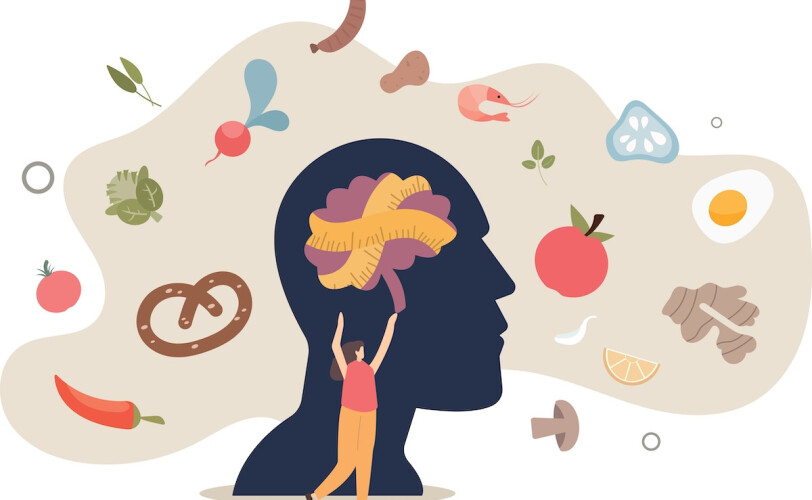
C. The Addictive Design of Processed Foods
A. Engineering Cravings:
-
Perfect sugar-fat-salt combinations trigger dopamine surges
-
Vanishing caloric density tricks satiety signals
-
Dynamic contrast textures (crunchy/creamy) enhance consumption
-
Flavor enhancers create artificial hunger
B. Neurological Effects:
-
Activates same reward pathways as nicotine
-
Develops tolerance requiring larger portions
-
Causes withdrawal-like symptoms when discontinued
-
Reduces enjoyment of whole foods
C. Marketing Manipulation:
-
Strategic placement at eye level and checkout lanes
-
Health halo claims (“natural,” “fortified”)
-
Child-targeted packaging and characters
-
Portion distortion in single-serve packages
D. Identifying Hidden Ultra-Processed Ingredients
A. Chemical Aliases to Recognize:
-
Emulsifiers: polysorbate 80, carrageenan
-
Artificial colors: Red 40, Yellow 5
-
Flavor enhancers: MSG, autolyzed yeast extract
-
Preservatives: BHA, BHT, sodium benzoate
B. Stealth Sugars:
-
High fructose corn syrup
-
Maltodextrin
-
Fruit juice concentrate
-
“Organic” cane sugar (equally processed)
C. Fake Health Ingredients:
-
“Whole grain” in products with <1g fiber
-
“Antioxidant-enriched” sugary cereals
-
“Protein-fortified” snack bars with isolate proteins
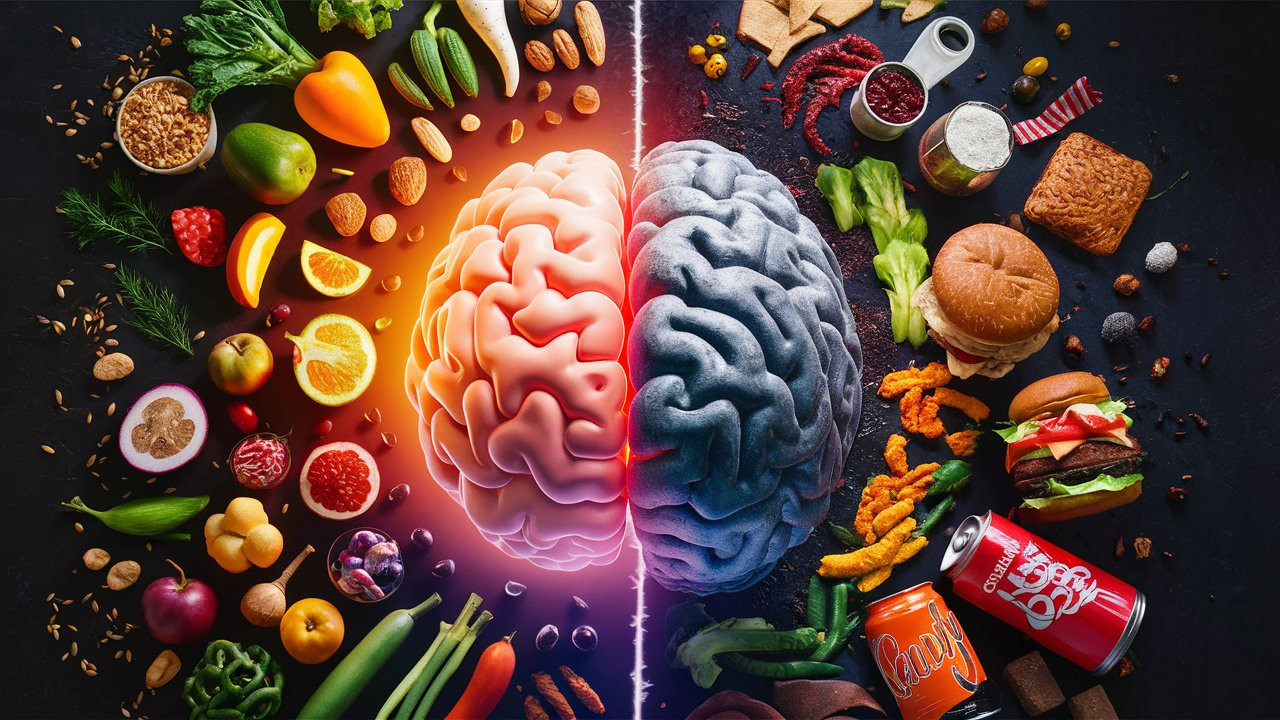
E. Breaking Free from Processed Food Dependence
A. Practical Transition Strategies:
-
The 80/20 Rule: Gradually replace processed items
-
Batch Cooking: Prepare freezer meals using whole ingredients
-
Sensory Retraining: Recalibrate taste buds over 21 days
-
Grocery Store Navigation: Shop perimeter first
B. Smart Swaps:
-
Replace breakfast cereal with oatmeal + nuts + fruit
-
Substitute soda with infused sparkling water
-
Choose plain yogurt with fresh fruit instead of flavored varieties
-
Opt for homemade popcorn over chips
C. Overcoming Withdrawal:
-
Manage cravings with protein/fat combos
-
Stay hydrated to reduce false hunger
-
Allow 2-4 weeks for taste bud adjustment
-
Practice stress-reduction techniques
F. Policy and Industry Accountability
A. Global Regulatory Failures:
-
Lobbying influence on dietary guidelines
-
Weak labeling requirements
-
Subsidies favoring processed ingredients
-
School lunch program compromises
B. Promising Interventions:
-
Chile’s front-of-package warning labels
-
UK sugar tax reducing soft drink consumption
-
Brazil’s dietary guidelines emphasizing home cooking
-
French Nutri-Score system effectiveness
C. Consumer Advocacy:
-
Supporting clean label initiatives
-
Demanding school food reforms
-
Pushing for marketing restrictions
-
Participating in community food programs
G. The Whole Food Advantage
A. Nutrient Synergy Benefits:
-
Phytonutrients absent in processed versions
-
Natural fiber matrix regulating absorption
-
Bioavailable vitamin and mineral forms
-
Intact cellular structures preserving nutrients
B. Economic Arguments:
-
Lower long-term healthcare costs
-
Reduced productivity losses from illness
-
Actual cost per nutrient comparison
-
Bulk purchasing and seasonal savings
C. Cultural Restoration:
-
Rediscovering traditional food preparation
-
Intergenerational cooking knowledge
-
Mindful eating practices
-
Community gardening benefits
Conclusion
The ultra-processed food epidemic represents one of our greatest public health challenges, contributing to chronic diseases while undermining food culture and self-sufficiency. By understanding their true nature, recognizing hidden ingredients, and implementing practical whole-food strategies, individuals can reclaim nutritional sovereignty. Lasting change requires both personal action and systemic reform to create environments supporting rather than sabotaging health.
Tags: ultra-processed foods, food additives, metabolic health, clean eating, food industry, nutrition science, chronic disease prevention, whole foods, food addiction, public health