














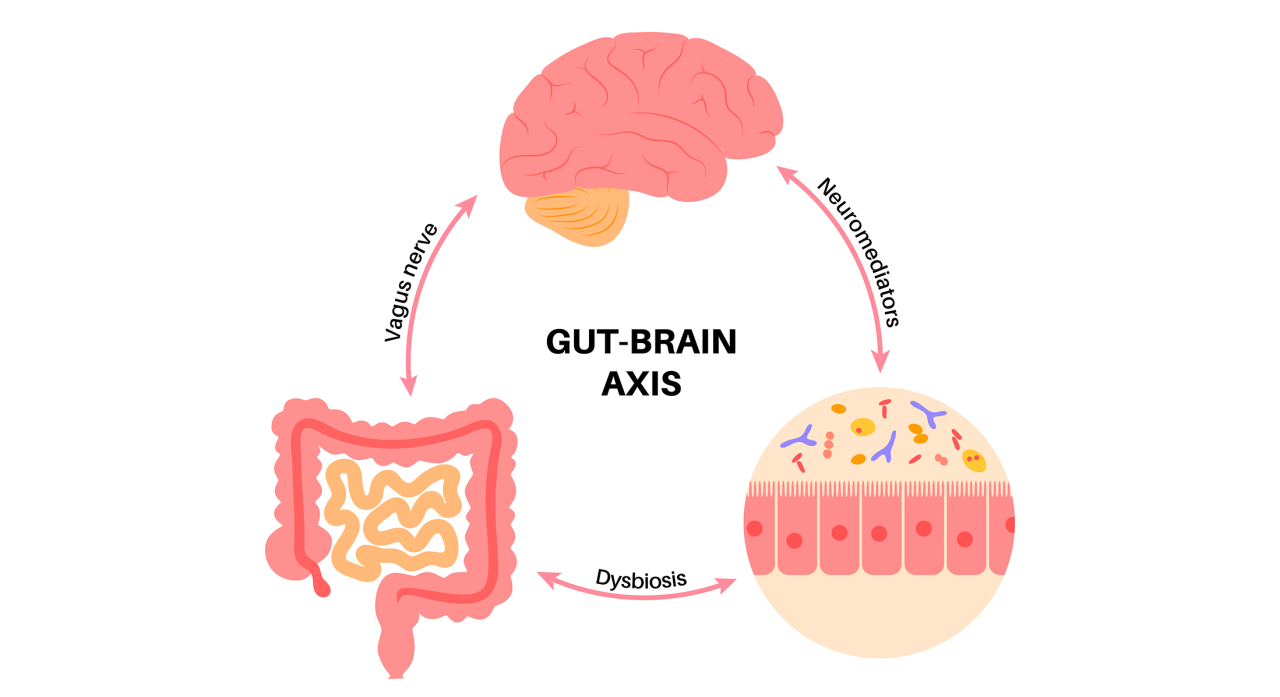
Did you know that your gut is often called your “second brain”? Emerging scientific research reveals a powerful connection between gut health and brain function, influencing everything from mood and memory to mental health and cognitive performance. This intricate relationship, known as the gut-brain axis, highlights how the trillions of microbes in your digestive system communicate directly with your brain. In this comprehensive guide, we’ll explore the surprising ways gut health impacts mental well-being, debunk common myths, and provide actionable tips to optimize both your gut and brain health.

A. Understanding the Gut-Brain Axis
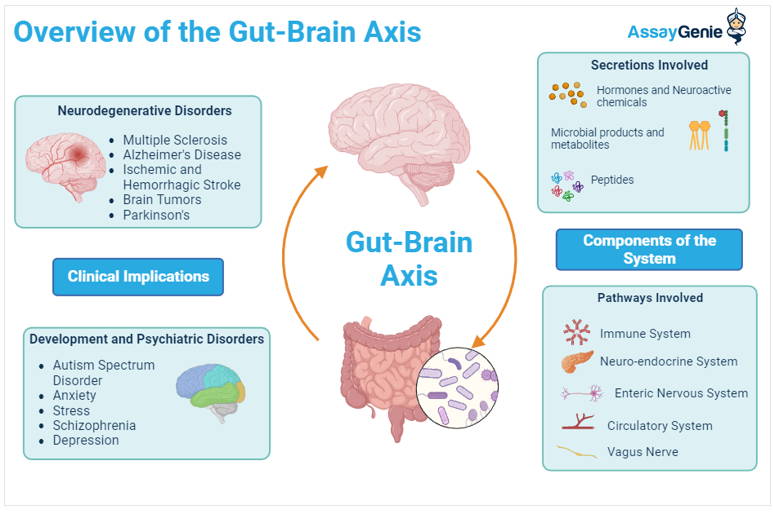
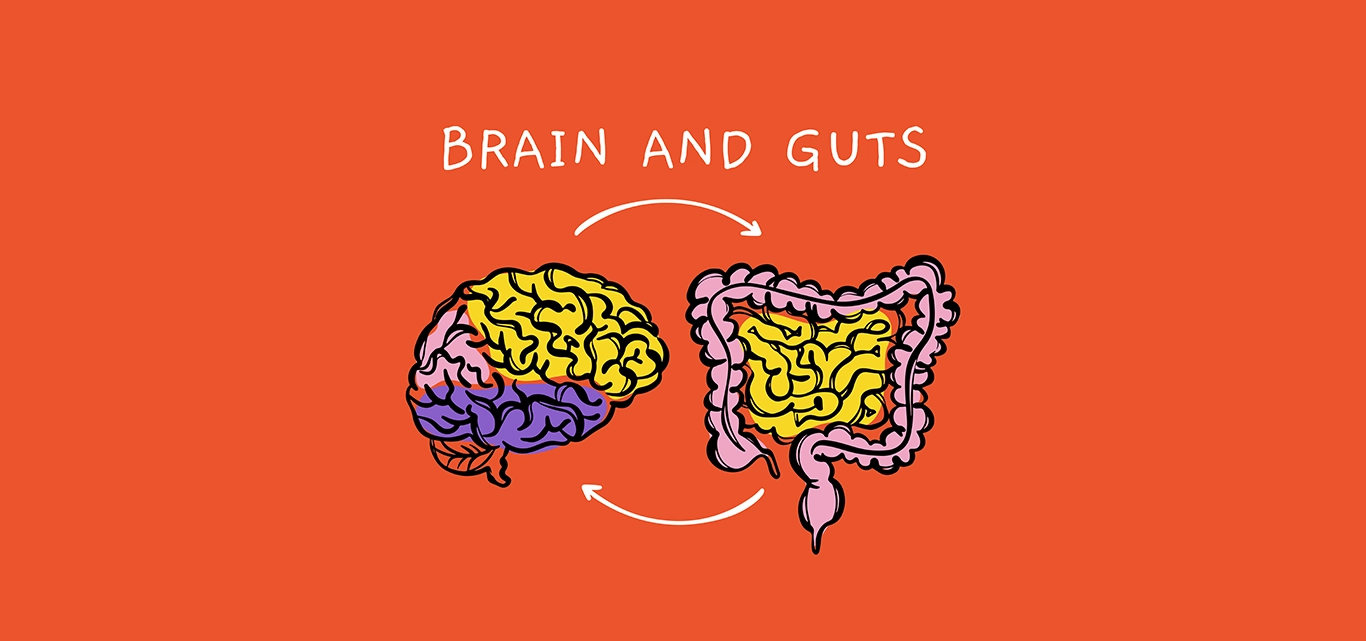
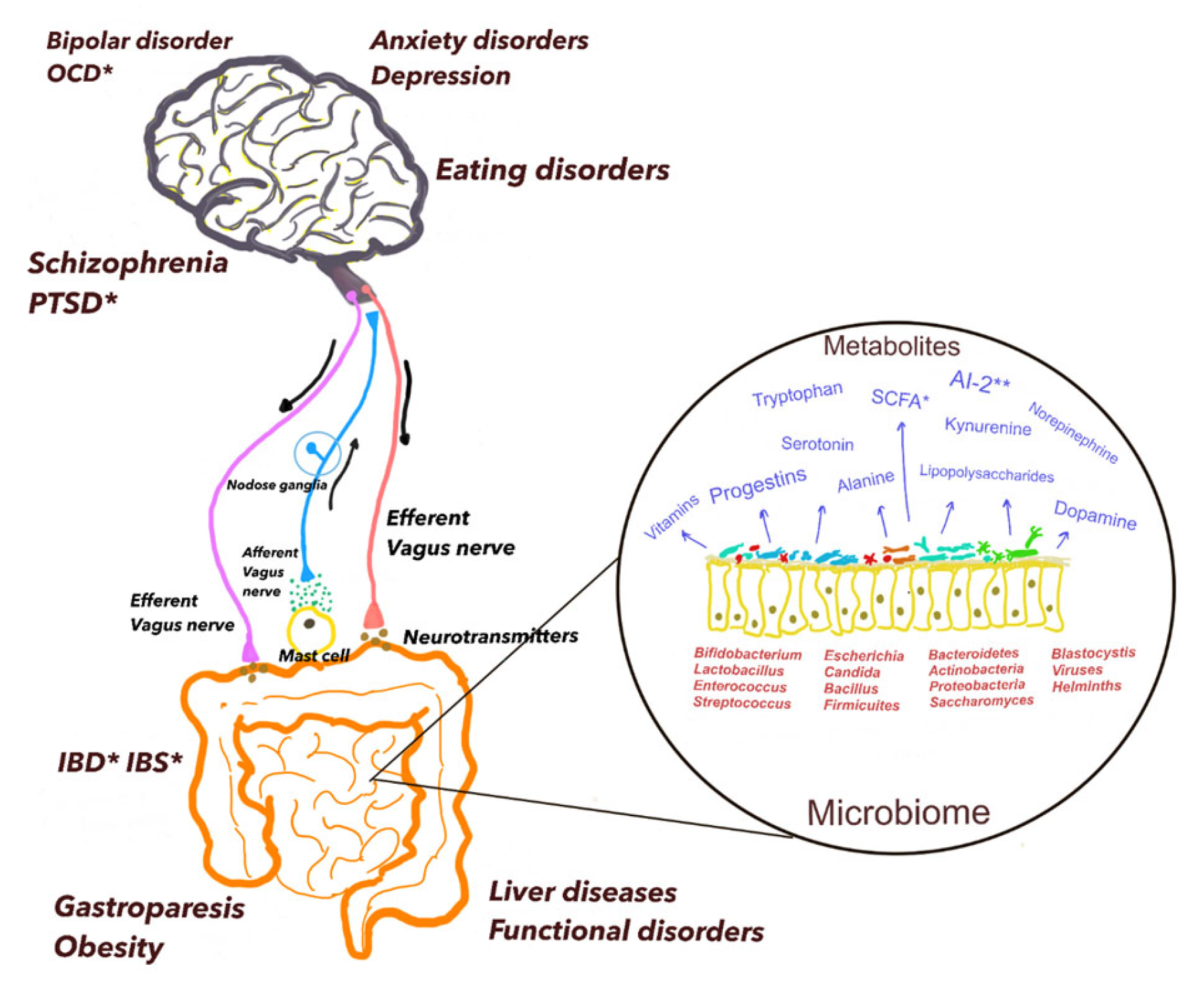
The gut-brain axis is a complex communication network linking your digestive system and central nervous system.
1. The Role of the Vagus Nerve
- Bidirectional Communication: The vagus nerve transmits signals between the gut and brain.
- Stress Response: Chronic stress can disrupt gut bacteria, leading to digestive issues.
- Neurotransmitter Production: Gut microbes produce serotonin (90% of it!) and dopamine.
2. Gut Microbiome’s Influence on Mental Health
- Anxiety & Depression: Imbalanced gut flora is linked to higher rates of mood disorders.
- Autism Spectrum Disorder (ASD): Some studies suggest gut bacteria diversity may affect ASD symptoms.
- Neurodegenerative Diseases: Poor gut health may contribute to Alzheimer’s and Parkinson’s.
B. How Gut Health Impacts Cognitive Function
A healthy gut doesn’t just support digestion—it boosts brainpower.
1. Memory and Learning
- Short-Chain Fatty Acids (SCFAs): Gut bacteria produce SCFAs that enhance memory.
- Brain-Derived Neurotrophic Factor (BDNF): A healthy gut increases BDNF, crucial for learning.
2. Brain Fog and Focus Issues
- Leaky Gut Syndrome: Intestinal permeability allows toxins to enter the bloodstream, causing inflammation.
- Gluten Sensitivity: Some people experience “brain fog” due to gluten-related gut irritation.
C. Foods That Nourish Your Gut and Brain
What you eat directly affects both gut flora and cognitive function.
1. Best Foods for Gut-Brain Health
- Fermented Foods: Yogurt, kefir, sauerkraut (rich in probiotics).
- Prebiotic Fiber: Garlic, onions, bananas (feed good bacteria).
- Omega-3 Fatty Acids: Fatty fish, walnuts (reduce brain inflammation).
2. Worst Foods for Gut-Brain Health
- Processed Sugar: Feeds harmful bacteria and causes inflammation.
- Artificial Sweeteners: May disrupt gut microbiota balance.
- Trans Fats: Linked to cognitive decline and gut dysbiosis.
D. Lifestyle Habits That Strengthen the Gut-Brain Connection
Beyond diet, daily habits play a crucial role.
1. Exercise and Gut Diversity
- Aerobic Exercise: Increases beneficial gut bacteria.
- Yoga & Meditation: Reduce stress, which harms gut health.
2. Sleep’s Role in Gut-Brain Health
- Poor Sleep Alters Gut Bacteria: Linked to weight gain and memory problems.
- Melatonin Production: Gut microbes help regulate sleep hormones.
E. Debunking Common Gut-Brain Myths
1. Myth: Probiotics Fix All Gut Issues
- Reality: Strain-specific probiotics work best; not all supplements are equal.
2. Myth: Stress Doesn’t Affect Digestion
- Reality: Stress slows digestion and alters gut bacteria composition.
Conclusion
The gut-brain connection proves that a healthy gut equals a sharper, happier mind. By eating probiotic-rich foods, managing stress, and prioritizing sleep, you can optimize both gut and brain function. Start making small changes today—your mind and body will thank you!
Tags: gut-brain axis, microbiome health, probiotics, mental wellness, cognitive function, leaky gut, brain fog, gut health diet, vagus nerve, mental clarity